

Creating an estate plan is one of the most important steps you can take to protect your wishes and make things easier for your loved ones. While many people think estate planning is simply about writing a will, a complete plan often includes several documents that address everything from property distribution to financial and healthcare decisions.
In Florida, these documents must meet certain legal requirements to work as intended. Understanding what each one does can help you make informed decisions about your future. In this article, we’ll walk through the essential estate planning documents, explain why they matter, and discuss how they work together to protect you and your family.
Last Will and Testament
A last will and testament is one of the most familiar estate planning documents. It allows you to specify who should receive your probate assets after your death and name a personal representative to oversee the administration of your estate. Without a valid will, Florida’s intestate succession laws generally determine who inherits your probate property.
Naming a Guardian for Minor Children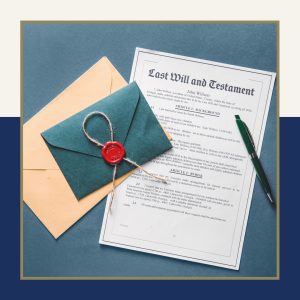
If you have young children, a will gives you the opportunity to name someone you would want to care for them if you pass away. While the court ultimately determines guardianship based on the circumstances and the children’s best interests, documenting your preference can provide valuable guidance and help your family understand your wishes.
What Makes a Will Valid in Florida?
Florida has specific requirements for creating a legally valid will. Generally, you must be at least 18 years old or an emancipated minor and have the mental capacity to understand what you are signing. The will must be in writing, signed by you at the end, and witnessed by two people who sign in your presence and in each other’s presence. Following these requirements is essential to ensuring your will can be recognized under Florida law.
Does a Will Avoid Probate?
Having a will does not automatically allow your estate to avoid probate. Instead, the will provides instructions for how your probate assets should be distributed through the court-supervised process. If avoiding probate is one of your goals, additional tools such as trusts and beneficiary designations may help certain assets pass directly to your loved ones.
Revocable Living Trust
A revocable living trust is another estate planning tool that allows you to manage how certain assets are handled during your lifetime and distributed after your death. You can typically continue controlling the assets in the trust while you are alive and make changes as your circumstances evolve. A trust can also help simplify the transfer of property to your beneficiaries.
What Assets Can Be Placed in a Trust?
A revocable living trust can hold many types of assets, including real estate, bank accounts, investments, and certain business interests. However, not every asset needs to be placed in a trust. The right approach depends on your financial situation, how your property is owned, and whether other beneficiary arrangements are already in place.
How Can a Trust Help With Probate Planning?
One of the main benefits of a revocable living trust is that assets properly held in the trust can generally pass to beneficiaries without going through probate. After your death, your successor trustee can manage and distribute those assets according to your instructions. This can help reduce court involvement and make the process easier for your loved ones.
Why Does a Trust Need to Be Funded?
Creating a trust is only the first step. To make it effective for probate planning, you generally need to transfer ownership of the intended assets into the trust. This process is known as funding. If an asset remains in your individual name without another transfer arrangement, it may still need to go through probate even though you have a trust.
Durable Power of Attorney
A durable Power of Attorney allows you to choose someone you trust to handle certain financial and legal matters on your behalf. This person, known as your agent, may be authorized to manage bank accounts, pay bills, or handle property transactions. Unlike a regular Power of Attorney that may end if you become incapacitated, a durable POA remains effective even if you can no longer make decisions independently.
Why Is a Durable POA Important for Incapacity?
If an illness, injury, or other condition leaves you unable to manage your finances, a durable Power of Attorney allows your chosen agent to continue handling authorized responsibilities. Without one, your family may need to seek court approval to manage certain matters on your behalf. Having this document in place can help reduce delays and provide peace of mind.
When Does a Florida Power of Attorney Take Effect?
In Florida, a Power of Attorney generally becomes effective as soon as it is properly signed. This means your agent can begin exercising the authority granted in the document even while you are capable of managing your own affairs. You still maintain your decision-making rights, and your agent must act within the limits of the authority you provide.
Designation of Health Care Surrogate
A designation of health care surrogate allows you to name someone who can make medical decisions on your behalf when authorized under Florida law. This person may communicate with healthcare providers, review medical information, and make treatment decisions based on your wishes. Choosing a trusted surrogate helps ensure someone familiar with your preferences can speak for you when needed.
How Is This Different From a Power of Attorney?
The main difference is the type of decisions each document addresses. A durable Power of Attorney is generally used for financial and legal matters, while a health care surrogate designation focuses on medical decisions. Having both documents in your estate plan can help ensure that someone you trust has the appropriate authority to manage different aspects of your affairs if you become incapacitated.
Living Will
A living will is a legal document that allows you to express your wishes about certain medical treatments if you become unable to communicate your decisions. It helps healthcare providers and loved ones understand your preferences in serious medical situations. Having a living will in place can also make difficult decisions easier for your family by providing clear guidance about the care you want to receive.
What Does a Living Will Address?
In Florida, a living will generally addresses your preferences for life-prolonging medical procedures if you have a terminal condition, an end-stage condition, or are in a persistent vegetative state. You can document when you would want certain treatments withheld or withdrawn under the circumstances covered by Florida law. This helps ensure your wishes are considered when you cannot speak for yourself.
How Is a Living Will Different From a Last Will and Testament?
Although their names are similar, these documents serve very different purposes. A living will addresses your medical wishes while you are alive but unable to make or communicate certain decisions. A last will and testament, on the other hand, provides instructions for distributing your probate assets after death and allows you to nominate a personal representative.
HIPAA Authorization
A HIPAA authorization allows you to give designated individuals permission to access certain protected medical information. Without appropriate authorization or another legal basis for disclosure, healthcare providers may be limited in what they can share with family members. Including this document in your estate plan can help trusted individuals stay informed about your medical care when necessary.
Why Medical Information Access Matters
When someone is helping you navigate a serious illness or medical emergency, access to accurate information can make a meaningful difference. A HIPAA authorization can allow designated individuals to communicate with healthcare providers and better understand your condition or treatment. This can be especially helpful when loved ones are assisting with care or coordinating important medical decisions.
How HIPAA Authorization Works With Other Healthcare Documents
A HIPAA authorization works alongside documents such as your living will and designation of health care surrogate. While those documents address medical wishes and decision-making authority, a HIPAA authorization focuses on access to protected health information. Together, they can help ensure the people you trust have the information and authority needed to support your healthcare preferences.
Beneficiary Designations
Beneficiary designations are an important part of estate planning because they allow certain assets to pass directly to the people you choose after your death. These arrangements are typically established through financial institutions or insurance providers rather than through your will. Keeping them updated helps ensure your assets are distributed according to your wishes.
Life Insurance
Life insurance policies allow you to name beneficiaries who will receive the policy proceeds after your death. These funds generally pass directly to the named beneficiaries without going through probate. Reviewing your designations regularly is important, especially after major life changes, to make sure the right people are listed.
Retirement Accounts
Retirement accounts such as IRAs and 401(k)s typically allow you to designate who will inherit the remaining funds. These beneficiary instructions generally take priority over conflicting directions in your will. Naming primary and contingent beneficiaries can help ensure your retirement savings pass to the intended recipients.
Payable-on-Death and Transfer-on-Death Accounts
Many bank and investment accounts allow you to name beneficiaries through payable-on-death (POD) or transfer-on-death (TOD) designations. You maintain control of the account during your lifetime, and the remaining assets can generally transfer directly to your beneficiaries after death. These arrangements can help simplify inheritance and reduce the need for probate.
Documents That May Be Helpful in Certain Estate Plans
Not every estate plan requires the same documents. Depending on your property, business interests, and personal circumstances, additional planning tools may help address needs that a will or trust alone does not fully cover. Understanding these options can help you create a more complete plan for your future.
 Lady Bird Deed
A Lady Bird deed, also called an enhanced life estate deed, allows Florida property owners to arrange for real estate to transfer to designated beneficiaries after death. The owner generally maintains control of the property during their lifetime, including the ability to sell it or change beneficiaries. When properly prepared, this arrangement can help the property avoid probate.
Business Succession Documents
If you own a business, succession planning documents can help establish what happens to your ownership interest if you retire, become incapacitated, or pass away. Depending on your business structure, these may include buy-sell agreements, operating agreements, or other arrangements. Coordinating these documents with your estate plan can help protect business continuity and reduce uncertainty for surviving owners and family members.
Instructions for Digital Assets
Digital assets can include online accounts, electronically stored documents, digital photos, and other information you manage electronically. Including instructions for these assets can help your chosen representatives understand what accounts exist and how you want them handled. Because access to digital information is subject to legal and provider restrictions, it is important to plan for authorized access rather than simply sharing passwords.
What Makes Estate Planning Documents Legally Valid in Florida?
Creating estate planning documents is an important step, but they must also meet Florida’s legal requirements to be enforceable. Each document has its own rules, and overlooking even a small detail could create problems when the document is needed. Understanding these requirements can help you make sure your estate plan works as intended.
Proper Signatures and Witnesses
Many estate planning documents require specific signatures and witnesses to be legally valid. For example, Florida wills generally must be signed by the person creating the will in the presence of two witnesses, who must also sign in the presence of each other and the person making the will. Other documents may have different requirements, so it is important to follow the rules that apply to each one.
Notarization When Required or Appropriate
Some estate planning documents require notarization, while others may benefit from it even when it is not mandatory. For example, Florida generally requires a durable Power of Attorney to be signed in the presence of two witnesses and acknowledged before a notary. Although notarization is not required for a standard Florida will, a notarized self-proving affidavit can help simplify the probate process.
Legal Capacity
You must have the legal capacity to understand the documents you are creating and the decisions they involve. In general, this means understanding the nature and consequences of your choices. Capacity requirements can vary depending on the document, making it important to complete your estate planning while you are able to make informed decisions.
Using the Correct Document for the Intended Purpose
Different estate planning documents serve different purposes, and one cannot always replace another. For example, a will provides instructions for distributing probate assets after death, while a durable Power of Attorney allows someone to handle certain matters during your lifetime. Choosing the appropriate documents helps ensure your wishes are addressed and the people you trust have the authority they need.
Schedule a Consultation With an Estate Planning Attorney
Having the right estate planning documents in place can help protect your wishes and make important decisions easier for your loved ones. Whether you are creating your first estate plan or updating existing documents, it is important to make sure everything meets Florida’s legal requirements and works together as intended.
Our Orlando estate planning attorneys can help you understand which documents you need based on your family, assets, and future goals. Through our estate planning services, we can help you create or update a plan that addresses your financial affairs, healthcare preferences, and the distribution of your property. Contact us today to schedule a consultation with our attorneys and take the next step toward protecting your future.


