

Estate planning gives you the ability to control how your assets are handled, who cares for your loved ones, and how medical decisions are made. But despite its importance, many people overlook key steps or misunderstand Florida’s unique requirements. Even a small error can cause major complications later. By understanding these common mistakes, you can take meaningful steps to protect your family and your legacy.
Are Estate Planning Mistakes Common?
Estate planning mistakes are more common than most people realize. In Florida, the laws surrounding wills, trusts, and probate can be complex, and many individuals rely on incomplete or outdated plans. Others assume that their situation is too simple to require legal guidance. Without the right documents and strategies in place, even well-intentioned plans can fall short when it matters most.
Why Are Estate Planning Mistakes So Common?
Many Floridians unintentionally make errors in their estate plans because they don’t fully understand the legal requirements or the long-term impact of their choices. Florida’s estate laws are complex and differ from those in other states, which makes professional guidance critical. Below are some of the most common reasons mistakes happen, and what they could mean for your loved ones.
Misunderstanding Florida’s Unique Laws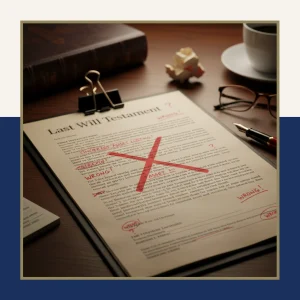
Florida’s legal system has strict requirements that can easily trip up even well-intentioned plans. For example, Florida does not recognize handwritten (holographic) wills from other states unless they meet all Florida execution standards. The state’s homestead protections also limit how primary residences can be transferred, especially if there is a surviving spouse or minor child. Overlooking these rules can lead to invalid documents or unintended distributions.
Relying Too Heavily on DIY Documents
Do-it-yourself forms often lack the flexibility or legal accuracy required for a Florida estate plan. They may not include required legal language, fail to address state-specific rules, or omit critical provisions like guardianship designations or successor trustees. Using DIY tools without a legal review increases the risk that your wishes will be challenged or ignored during probate.
Thinking a Will Covers Everything
A will governs only assets that go through probate; it does not control accounts with named beneficiaries, jointly titled property, or assets held in a trust. Many people assume their will covers their entire estate, only to discover that a large portion of their wealth bypasses it entirely. This can cause confusion, misalignment, or even family disputes if beneficiaries differ from what’s written in the will.
Avoiding Difficult Conversations
Not discussing your estate plan with your family can leave your loved ones unprepared and uncertain about your wishes. This can be especially problematic when naming executors, trustees, or healthcare agents. If roles or expectations are unclear, it may lead to conflict or delays during critical moments — particularly if your family is caught off guard.
Not Getting Professional Legal Advice
Even small mistakes can cause big problems. Failing to obtain legal advice may mean missing out on important protections, such as Florida’s elective share rights, creditor-shielding strategies, or Medicaid planning opportunities. A qualified estate planning attorney can help ensure your documents meet all state legal requirements, reflect your current wishes, and protect your family’s future.
Top Estate Planning Mistakes to Avoid in Florida
Even the most well-meaning plans can fall short without careful attention to detail. Florida’s estate laws require precise language, proper asset coordination, and regular updates to ensure your wishes are carried out. Below are some of the most common mistakes and how to avoid them through proactive planning.
Not Having a Plan at All
One of the biggest mistakes is putting off estate planning entirely. Without a valid plan, Florida’s intestate succession laws will determine who receives your assets and who manages your estate. This can lead to unintended consequences, family conflict, and court involvement that could have been avoided with a basic will or trust.
Outdated Wills or Beneficiary Designations
Life changes quickly, and your estate documents should reflect those changes. Whether it’s marriage, divorce, the birth of a child, or the death of a loved one, failing to update your will or account beneficiaries can result in assets going to the wrong person or being tied up in legal challenges.
Not Planning for Incapacity
Estate planning is not just about what happens after death. If you become seriously ill or are unable to make decisions, documents such as a durable power of attorney and a healthcare surrogate designation are essential. Without them, your loved ones may need to go through costly and time-consuming court proceedings to act on your behalf.
Naming the Wrong Executor or Trustee
Choosing someone solely because of their relationship to you, rather than their capabilities, can lead to problems. An executor or trustee should be responsible, organized, and able to manage legal and financial tasks. If they are unwilling or unable to serve effectively, it can delay the process and create unnecessary complications.
Improper Asset Titling
Even the best will or trust can be undermined by assets that are not titled correctly. If property is jointly owned or has a beneficiary designation that conflicts with your plan, it may bypass your estate entirely. It’s important to coordinate asset titles with your estate documents to ensure everything aligns.
Ignoring Digital Assets or Online Accounts
Online accounts and digital property are often overlooked in estate planning. These might include social media, banking apps, digital photos, or cryptocurrency. If no one has legal access or instructions for handling these assets, they may be lost, locked, or misused. Including digital assets in your plan helps protect both your privacy and your property.
Legal Oversights That Can Invalidate Your Plan in Florida
Florida has strict legal requirements for estate planning documents. Even small mistakes in how a will or power of attorney is prepared or signed can make the entire plan unenforceable. To avoid delays, court challenges, or outright rejection of your documents, it’s essential to follow state-specific rules and get professional guidance when needed.
Not Meeting Florida’s Witness Requirements
In Florida, a valid will must be signed in the presence of two competent witnesses, and all parties must be present at the same time. If the witness requirements are not met, the court may declare the will invalid, even if the rest of the document appears properly prepared.
Using Out-of-State Documents Without Review
Estate planning documents created in another state may not fully comply with Florida law. For example, homestead protections, spousal rights, and execution formalities vary by state. If you move to Florida, it is wise to have an attorney review your documents to ensure they are still valid and enforceable.
DIY Wills Without Legal Guidance
Online templates and do-it-yourself estate planning tools often leave out key elements required by Florida law. A document that seems complete may still fail in probate due to vague language, improper execution, or failure to address state-specific rules. Legal review helps catch these issues before they become costly.
Failing to Properly Execute a POA or Health Directive
Durable powers of attorney and healthcare directives must follow Florida’s specific execution rules. These documents often require notarization and witnesses. If they are incomplete or incorrectly signed, banks, hospitals, or financial institutions may reject them, leaving your loved ones powerless during a crisis.
Not Including a Self-Proving Affidavit
A self-proving affidavit is a notarized statement signed by the testator and witnesses at the time the will is executed. While not required, it makes the probate process faster by eliminating the need to locate witnesses later. Without it, delays can occur if the court needs to verify the will’s authenticity.
Forgetting to Revoke Old or Conflicting Documents
If multiple versions of a will or power of attorney exist, confusion can arise about which one is valid. Old documents that are not formally revoked may be presented in court, causing disputes. Clear revocation language and up-to-date files help ensure your most current wishes are honored.
How to Fix or Avoid Estate Planning Mistakes
Even small errors in an estate plan can lead to major consequences for your loved ones. The good news is that most issues can be prevented with the right guidance, regular reviews, and open communication. These strategies will help ensure your plan works as intended when your family needs it most.
 Work With a Florida Estate Planning Attorney
 Work With a Florida Estate Planning Attorney
An experienced Florida or Orlando estate planning attorney understands the state’s specific laws and requirements. They can help you draft valid documents, avoid legal pitfalls, and create a personalized plan that protects your assets and loved ones. Professional guidance also helps ensure that your documents are executed properly and reflect your true intentions.
Review and Update Your Plan Regularly
Major events like marriage, divorce, the birth of a child, or a death in the family should prompt an immediate review of your estate plan. Set a reminder to revisit your documents every few years to make sure they still reflect your current wishes, family structure, and financial situation.
Coordinate All Estate Planning Documents
A strong estate plan works as a unified system. Your will, trust, powers of attorney, and healthcare documents should align to avoid conflicts or confusion. Inconsistent language or mismatched instructions can cause delays or disputes. Coordinating these documents ensures a smooth process and a clear reflection of your intentions.
Title Assets Correctly and Review Beneficiaries
Improperly titled assets or outdated beneficiary designations can undermine even the best-written will or trust. Check that property titles, account ownership, and beneficiary forms are aligned with your estate plan. Regularly reviewing these details helps your assets transfer smoothly and reduces the risk of assets going to unintended recipients.
Talk to Your Family About Your Plan
Estate planning isn’t just about paperwork; it’s about communication. Talking with your loved ones about your wishes can prevent confusion, reduce the risk of conflict, and give your family clarity during emotional times. Sharing your reasoning and decisions helps set expectations and allows your plan to function with fewer obstacles.
Schedule a Consultation With an Estate Planning Attorney
Estate planning is deeply personal, and the right legal guidance can make all the difference. Whether you’re creating your first will or correcting past mistakes, working with a qualified attorney ensures that your documents follow Florida law and reflect your true wishes.
Our attorneys offer thoughtful, comprehensive estate planning services tailored to your life and goals. If you’re ready to protect your legacy and provide clarity for your loved ones, contact us today to schedule a consultation with one of our experienced Orlando estate planning attorneys.


